
Eyes Like Diamonds: A Conversation with Jonathon Buckland
Images courtesy of Alchemy Films Australia.
One thing you’ll instantly notice while driving in Tasmania is the sheer amount of roadkill. The windiness and rural nature of the roads are a deadly combination and not at all conducive to the survival of wildlife. If a driver spots a living animal on the road with mere seconds to react, it is generally recommended that the driver does not attempt a risky swerve but rather hit the animal and cop the dent.
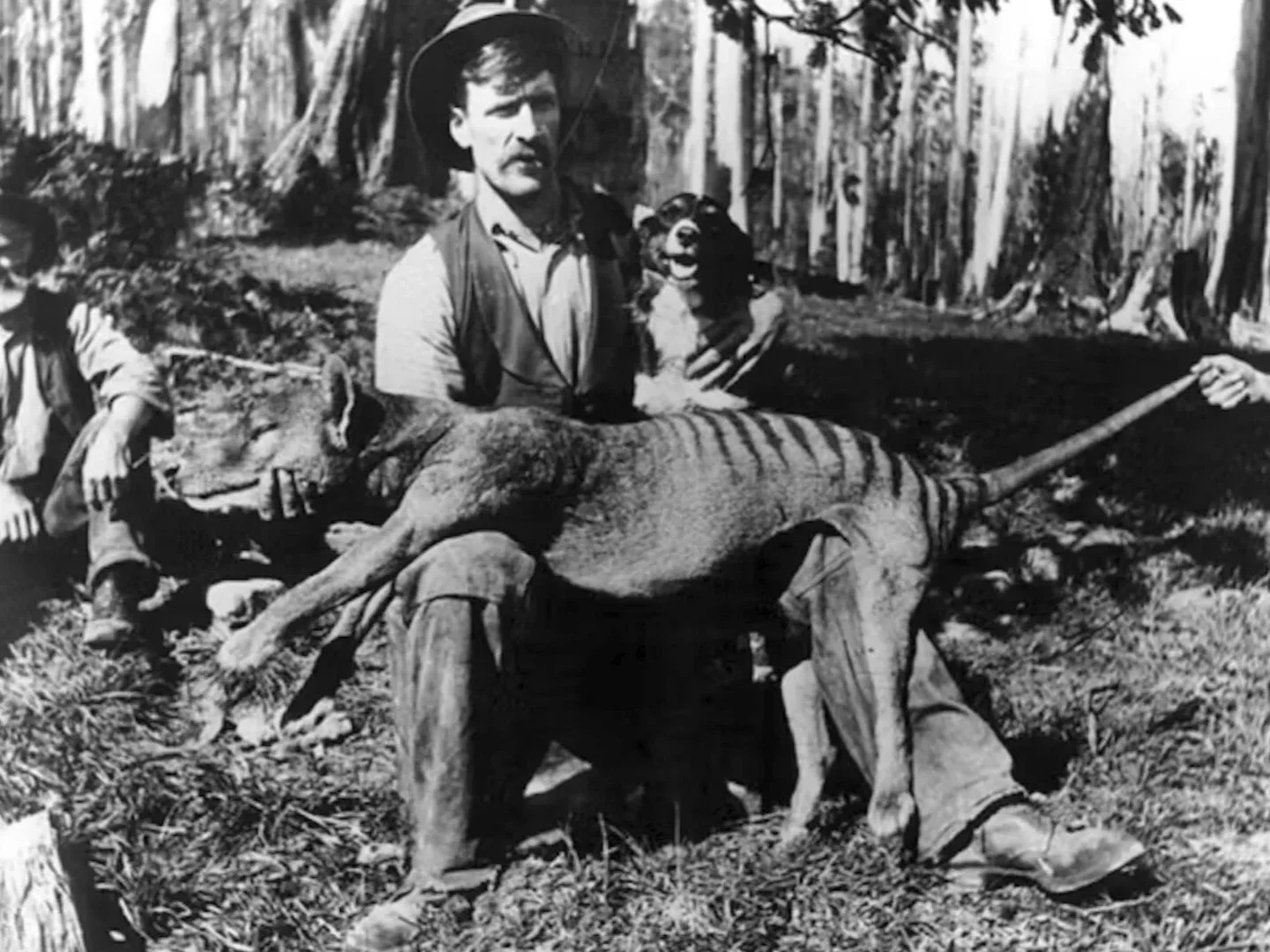
The Thylacine, also known as the Tasmanian Tiger, has long been the subject of intense speculation surrounding its extinction and supposed sightings thereafter. Perhaps then, it is mandated in Tasmanian driving tests that if a Thylacine is on the road you must swerve at all costs, even if it results in your death, for that is the price to keep the potentially dwindling species alive.
Despite the Thylacine’s officially declared status as extinct, sightings and alleged evidence of surviving examples persist. Neil Waters, through his 'Thylacine Awareness Group of Australia', has been on a mission to prove to the world that the Thylacine survives. I spoke with Jonathon Buckland, who has directed the feature-length documentary Eyes Like Diamonds, all about Neil’s efforts.
What brought you to documentary filmmaking? Is this something you’ve wanted to do for a while?
BUCKLAND: I think documentaries are hugely accessible because you can do it with a small team and filmmaking equipment has become cheaper for smaller run-and-gun projects like this. Gourav, the cinematographer, and myself, along with Holly Fraser the producer and editor, have worked on a lot of film sets over the last decade but we have not worked on many documentaries, so it was still a big learning process for us.
We really wanted to do our own feature project, and the opportunity to travel to a beautiful place like north east Tassie to shoot a run and gun documentary story about the Tassie Tiger and a bloke who is researching evidence of the animal being alive was pretty compelling.
We love watching documentaries – they take you into a world that you may have known nothing about, and they bring you along to a journey in that world, and that is something we aimed to create in our film.
“Ultimately we don’t aim to convince the audience of anything, but we encourage them to ask the question: “What if?””
How did you meet Neil? How did you become interested in him?
BUCKLAND: I read a really interesting article in a newspaper way back, I believe in early 2021. The article talked about his horticulturist and gardening background, his methodical approach to Thylacine research and how that aligned with the type of research and findings that the early researchers did. He seemed like such a salt of the earth guy, but also someone who had a really persuasive passion and energy and excitement. When we first approached him about doing the documentary, he spoke so well and in such an articulate way, that even without knowing a huge amount of his personal story, we knew we would have a really interesting story on our hands.
We first heard about him from that viral video of Neil drinking a celebratory beer after finding key evidence of the Thylacine, and I remember following the media circus that followed – something that we talk about a little bit in this film.
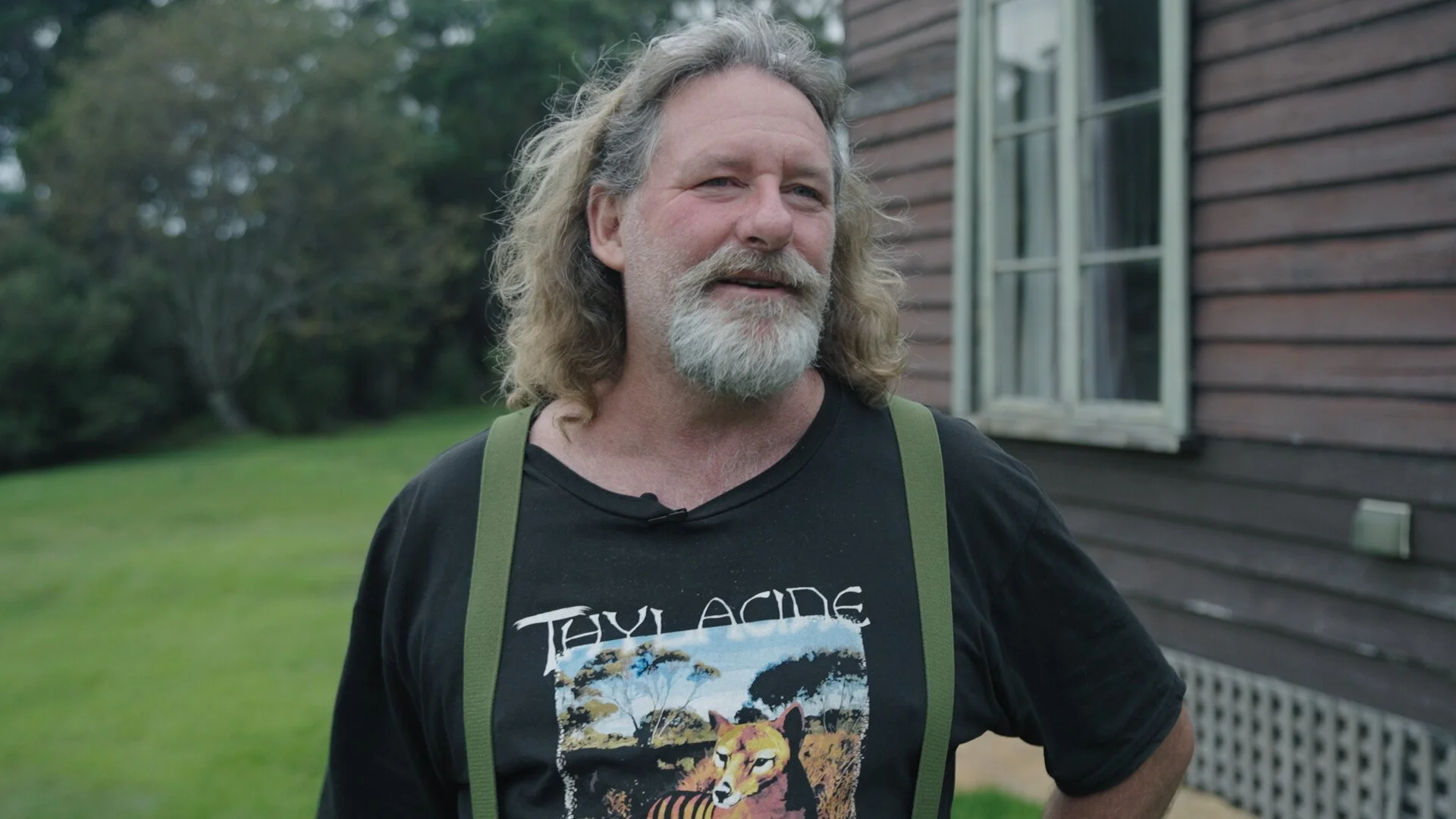
Neil Waters, pictured. Images courtesy of Alchemy Films Australia.
Neil seems like someone you could listen to for hours. What was it like spending time with him?
BUCKLAND: Neil has had a lot of interesting life experiences, and I think something that really struck us in the edit was his resilience – to keep pushing on, to push through the obstacles that came his way, whether that was in his personal life or in his journey as a Thylacine researcher, where you certainly do put yourself up for public criticism. Spending time with him, I found someone who was warm, funny, smart, well-read, and could really connect with people from all walks of life. As a result, we ended up with a huge amount of footage, and the challenge was really condensing that down and having a think about what the story was – particularly as a three act structure.
We knew that we had to put some of his personal life in it, because that was what formed his character and we knew that resilience was going to be a big theme. We landed on a story about a guy who is fighting for his redemption after being ridiculed for what he had previously put forward as compelling Thylacine evidence. As he fights for his redemption and for his respect, we learn about his journey of collecting evidence, the sightings evidence, his formation of the Thylacine Awareness Group of Australia, we learn about early accounts of the Thylacine and how they correspond with modern-day evidence put forward of the animal, and we explore the current day issues that link into the Thylacine and its potential existence – like gene editing projects, and the threat of poison baiting on our environment.
We wanted the audience to go on an adventure of trying to solve a Thylacine mystery through the eyes of a guy who has being putting everything into it for the last decade, and ultimately we don't aim to convince the audience of anything, but we encourage them to ask the question: "What if?"
What was editing together all of Neil’s trail cam footage like? Was there a lot to choose from?
BUCKLAND: It was definitely a challenge. However, Neil had a huge amount of footage on his Youtube channel, and so once we managed to sort through that a bit, we could see a bit more clearly which parts we needed to put in, and how to put them in as clearly as possible to fit into the structure of our film.
I'm lucky I had my very talented wife, Holly Fraser, as the other editor as her attention to detail in the overall edit but also in working through and fine tuning the archival footage made a huge difference from my early rough cuts.
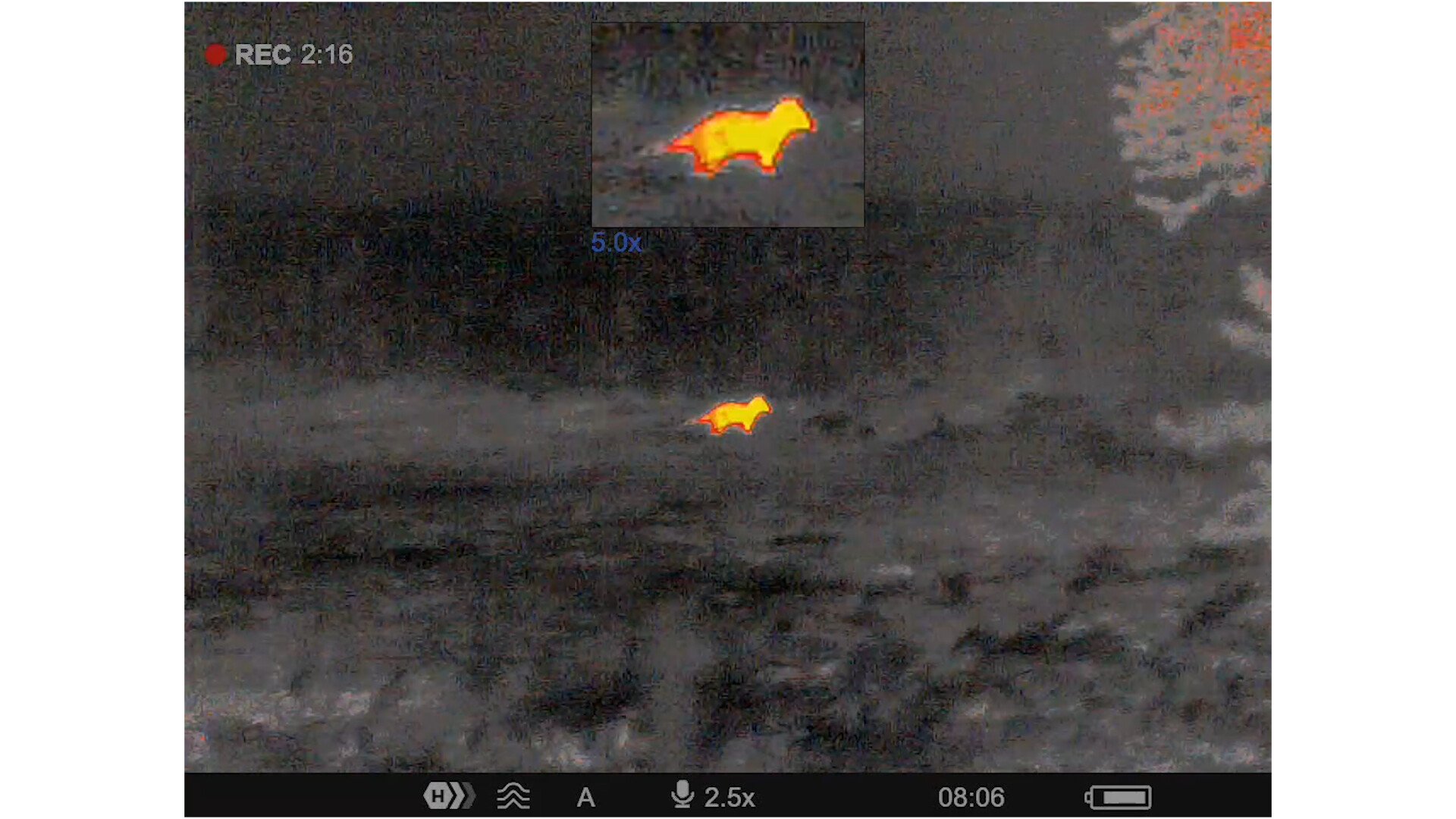
Alleged infrared Thylacine sighting. Images courtesy of Alchemy Films Australia.
Do you think the Thylacine is extant? Is it still around? Was any part of you skeptical about Neil’s quest?
BUCKLAND: I think there is every chance the animal is extant. The sheer number of people that have sightings of it, all with characteristics they have noted that are the same – the awkward gait, the stripes, the long stiff tail. These are often people who live on the land, generations of farmers or hunters who certainly know the animals of their surroundings.
Again, in terms of approach to Neil's quest, as we were telling the story through Neil's eyes, we just focused on telling the story as we saw it, staying as objective as we could as filmmakers, with the goal of giving the audience a journey through a really fascinating mystery as Neil experienced it.
Did speaking to Neil and/or any stage of the film make you think more existentially about endangered species? How does the extinction of the Thylacine make you feel?
BUCKLAND: Definitely. I think taking this project on and learning about the tragic history of how the Thylacine was treated, it makes you think about whether we can learn from our mistakes from our past in how we treat the flora and fauna of this country, among many other things. The growth of industry and economy, although hugely important for the living standards of Australians, often comes at the cost of environmental damage, and I think this film is a reminder of what can happen when really unique, amazing animals become endangered or extinct.
The most tragic part of Thylacine history is how pointless and reckless the drive to hunt the Thylacine to death was in Tasmania. [It was] in part a blame game so Governments could avoid criticism of the tough economic circumstances settlers of Tasmania faced, [and] partly an arrogant disregard of anything uniquely Australian by European Settlers. Most importantly there is a feeling of hope that we can still change things, we can still protect the unique amazing flora and fauna we have in Australia if we can remind people of the importance of environmental conservation.
What are you hoping to make next? Anything nature-adjacent?
BUCKLAND: Well, after having a baby girl last year, working full time during the week and taking this film on tour… we are looking forward to taking a little break! My wife is working as a producer (in pre-production) with Storymill productions on a comedy hybrid doco series about a friend of ours living with a disability. Working title 'Hire ME'.
Synopsis: "She's broke, over it, and stuck in the Centrelink queue. She is tired of proving – year after year – that her arm still has not grown back. She decides it is time to get a job. She tries her hand at a range of careers, meets disabled trailblazers, and discovers that her disability was never the real barrier to employment after all.". So I'll be happy to help with anything I can on that project – something entirely different from Eyes Like Diamonds, but also really interesting!
Follow Malachy on Letterboxd and Instagram.
For more information about Jonathon Buckland, click here.
Eyes Like Diamonds starts its Documentary Film Tour at the Melbourne Documentary Film Festival on Saturday the 11th of July.