Sensemaking Through Photography: The Language of Light
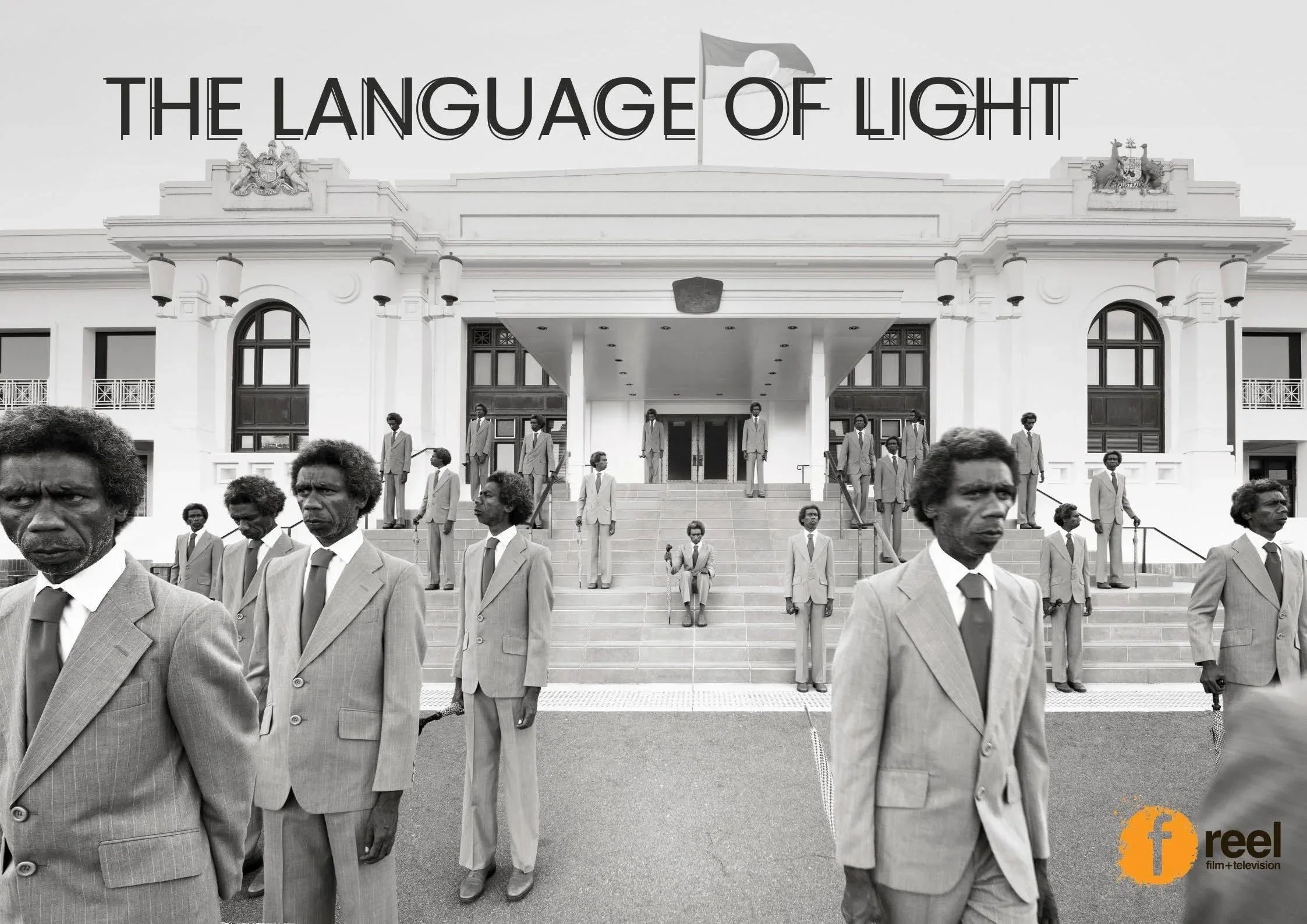
Images courtesy of f-reel.
Playing at the Melbourne Documentary Film Festival this year is a mega 2-part screening of Fiona Cochrane’s latest entries in The Language of Light series, Season 1 of which is available to watch on SBS on Demand. Each episode is a thorough – for the short 25 minute runtime – video portrait on an Australian photographer, exploring how they became interested in photography, what they aim to express and the multitude of paths their practice has taken them. The photographers in question each embody a totally different style of photography from one another, ranging from Atong Atem’s highly-stylised portrait photographs exploring East African culture and diaspora through vibrant costuming and makeup to Ashlee Jansen’s breathtaking photographs of underwater landscapes and marine life. Through their differing approaches, however, director Fiona Cochrane utilises a shared mode of documentation that positively outlines and affirms creative ambition.
The beauty of this series is its accessibility to those unfamiliar with the photographers. Each of them are treated by Cochrane with the same dignity and attention as the one before and after them, following the same simple yet sturdy structure. Episodes open on a brief montage of the photographer’s work displayed on-screen before diving into a talking-head interview with the photographer, who is warmly positioned inside their home and/or workspace, with their words carrying the audience through a linear timeline of their career with reflection along the way. Supplementing the photographer talking-heads are interviews with other curators and artists involved in some capacity with the photographer who offer their own valuable insights that may not have been touched on by the photographer themselves. Whilst the series may occasionally run the risk of feeling formulaic, the repetition aids in highlighting both what makes these artists unique and what makes their photography communal, along with goals of documentation vs. artificial representation being seen across the board. Atem, when talking about her father’s – also a photojournalist – assistance with a project, says that
“as a photojournalist, photos are records that can’t lie. [My Dad’s] understanding of photography and its importance is that you can show what’s happening when you document it with the intention of it being photojournalism. And ironically, my perspective as an artist is that you can lie through photographs. I think we’re both right, but it’s really beautiful to be able to have someone who has his own innate and critical relationship to photography.”
This kind of insight is really valuable for aspiring photographers to hear, and likewise it’s particularly heartening for any artists viewing the series to know how much the photographers featured in the series have always retained their own unique expression at every level of progression they make within their spaces. For instance, Michael Cook’s latest work Individuation utilises collaging and layering to create an unreal, artificial effect that can also be seen to a degree in his first project Through My Eyes, and both use this effect to play with surrealist depictions of decolonisation. Cochrane allows Cook to explore this through-line over the course of the episode, allowing him to speak freely about his influences, aspirations and meaning he wishes to convey.
Cochrane has created something very affirming with The Language of Light. Tracking an artist's progression in this documentarian manner works wonders in seeing the motivation and often radical protest that goes into art. Seeing it through such a wide variety of artists with their own cultural experiences, ideologies and background is the key here.
Follow Malachy on Letterboxd and Instagram.
The latest season of The Language of Light screens at the Melbourne Documentary Film Festival across two sessions on Sunday the 19th of July. For tickets and more info, click here.