
Cinema Reborn 2026 - Port of Shadows
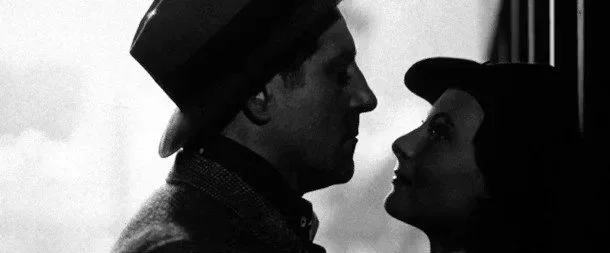
Images courtesy of Cinema Reborn.
Port of Shadows was the third feature from Marcel Carné, one of the founding fathers of the “poetic realism” movement of 1930s French cinema, often considered a precursor to film noir. Much like its title implies, this is a film drenched in fog, shadow, and moral ambiguity so overwhelming that it feels inescapable from the very beginning; every moment is dulled by the inexplicable knowledge that these characters will never find their way into the light.
The film was banned shortly after release for being “immoral, depressing and detrimental to young people” according to the intertitles on the 4K restoration. One character, a painter, says: ‘To me, a swimmer has already drowned.’ His admirer’s reply feels like a sharp jab at the powers who had not yet even seen the film, but had already heavily cut its brooding script: ‘I guess your painting isn’t very cheerful. But good work is important! Never mind the subject.’
Port of Shadows is captured in beautifully restored black and white which helps it to embody its title totally. The film opens, and spends most of its time, in deep, ever-encroaching fog. Poetic realism staple Jean Gabin plays Jean, a military deserter who wanders the fog with nothing but the uniform on his back, until reaching the port town of Le Havre. A place shrouded in fog even when the day turns clear; socialites drink and dance with nothing to celebrate, the workers drink themselves ever deeper into poverty, youth crime runs rampant, and even the most genial of petit bourgeois shopkeepers are hiding gruesome secrets. Jean has come to town looking for escape at the port, but gets wrapped up in violence when he falls fast for the precocious and passionate Nelly, played with a sophisticated restlessness by then-eighteen-year-old Michèle Morgan.
Jean’s detached exterior bursts open when he saves a dog early on, almost through pure instinct. The animal follows him and while Jean is annoyed at first, he eventually warms up to it. As he trades in his soldier’s uniform for civilian clothes, the stray in turn gets a leash. The streets clear of fog as he and Nelly fall into a childish love, but darkness remains always. The fog is not around them so much as it is inside them; it’s too painful to admit, but they, and we, know these moments will not last.
Jean Gabin in the lead is as dour, brooding, and sarcastic as Bogart in his best noir turns, but while Bogart comes across as suave and theatrical, here Gabin’s lead is steeped in something more painfully, and artfully, authentic. There is no real gleam behind his quick wit and half-smiles. There is a crushing emptiness to his fatalist philosophical musings. An exhaustion behind his eyes, even in the moments of fleeting joy with Nelly, captured in stunning, crisp close-up.
Though it shares atmosphere, conventions and visual style with the 40s and 50s noir films it would inspire, Port of Shadows feels more in line with the pre-Hayes code Hollywood pictures of the early 30s. It is a film of moral ambiguity, flippant discussions of murder and suicide, stifling working-class malaise, and general ennui—these were simple reflections of the mood and societal discomfort felt in immediate prewar France, which owes to the origin of the term “poetic realism”. It is understandable then that the Vichy government of unoccupied France found its realism too despairing; an antithesis to the optimism and fighting spirit they were desperate to spread. Port of Shadows isn’t very cheerful, and it makes for poor escapist entertainment, but good work is important, never mind the subject.
Follow Harvey on Letterboxd and Instagram.
Port of Shadows is screening as part of the 2026 Cinema Reborn program, which runs from the 8th to the 20th of May at Lido Cinemas Melbourne. For tickets and more info, click here.