Film Review - Shelby Oaks
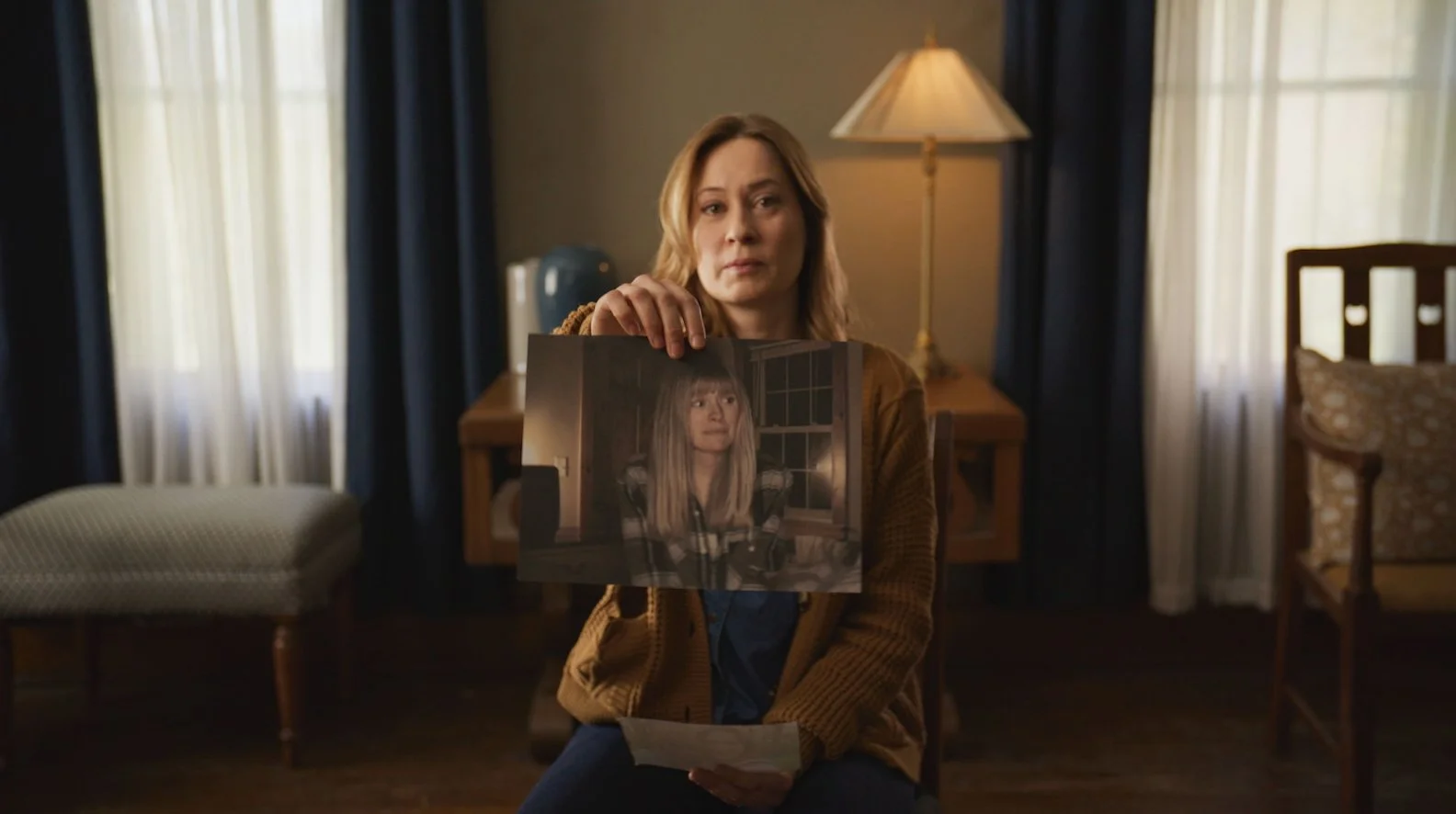
Images courtesy of Madman Films.
Chris Stuckmann’s Shelby Oaks arrives with a curious backstory: a Kickstarter-funded passion project that gained high-profile backing and a studio lifeline, yet the finished film often feels like an extremely competent first sketch rather than a fully realised debut. The movie has moments that work - effective atmosphere, a committed central performance, and a handful of creepy set pieces - but it leans heavily on familiar horror mechanics until those choices begin to calcify into cliché.
The film’s early sections, built around found-footage and mockumentary trappings, deliver some nice texture and a credible sense of oppressive dread. Stuckmann stages the investigation beats with a clear affection for the form, and when the movie leans into paranoia and slow-burn unease, it registers. Neon’s later involvement and the decision to beef up the film’s violent content during reshoots with an extra $1 million budget injection give Shelby Oaks sharp, visceral moments that puncture the otherwise steady dread. Likewise, Mike Flanagan’s name on the project as an executive producer adds an aura of genre credibility and it's easy to draw parallels to Absentia, Flanagan's own first feature, which also deals with a missing person and some cult-y happenings.
As the film progresses, however, its narrative scaffolding begins to read like a checklist of genre tropes. The story slowly morphs into a more conventional, linear horror movie, and in doing so it loses some of the specificity that makes the opening compelling. In an attempt to keep the momentum up and the runtime short, its lead turns into a caricature, and the payoff collapses into familiar beats that have been done better elsewhere. There’s also a sense that the picture exists partly to prove a point. Stuckmann’s transition from critic to filmmaker is admirable, but Shelby Oaks sometimes feels like a project made to demonstrate capability rather than to explore daring formal or thematic ground. The film is watchable and occasionally creepy, yet it rarely surprises; for a debut with so much narrative goodwill, that restraint becomes disappointment.
Shelby Oaks is a fine horror film with flashes of promise, but too many inherited ideas and not enough discernible passion. The Neon-funded reshoots and Flanagan’s executive-producer role certainly help ensure the package is an enjoyably thrilling one overall, yet no amount of post-production polish can entirely mask a script that is so dependent on recycled ideas. To both its benefit and its detriment, the film calls to mind the psycho-supernatural horror boom of the mid-2000s and early 2010s, echoing films like Session 9 and Verbinski’s The Ring. It’s a respectable first feature from someone who clearly knows his horror history, but it doesn’t quite do enough to make one feel as if the landscape of cinema has been forever Stuckmannized.
Follow Eli on Letterboxd, Twitter/X and Instagram.
Shelby Oaks is screening in select cinemas now. For more info, click here.