
Film Review - Keeper
Images courtesy of Rialto Distribution.
Oz Perkins’s Keeper is a film that wears its intentions on its sleeve: intimate horror wrapped in relationship anxiety, an exercise in dread that occasionally achieves something quietly memorable. Tatiana Maslany gives the picture much of its ballast as Liz, a free-spirited artist whose anniversary weekend in a family cabin with boyfriend Malcolm (Rossif Sutherland) slides from cozy awkwardness into sustained unease. Perkins stages slow-burning distrust well, and the movie’s best moments end up being small, precise instants when ordinary life skews just far enough into the uncanny.
Perkins’ approach here is impressionistic rather than procedural. Keeper is less interested in plotting than in texture: the flow of the film is ever patient, and the atmosphere - as in previous efforts Longlegs and The Blackcoat’s Daughter - remains deliberate. This restraint pays off in sequences that genuinely unsettle, and in how Maslany anchors the film with a performance that oscillates between vulnerability and brittle resolve. Yet this same restraint also exposes faults. Pacing often feels tentative, and some viewers may note that Perkin’s commitment to mood over logic leaves narrative holes, as well as another under-explained payoff that will frustrate those who prefer tighter horror mechanics.
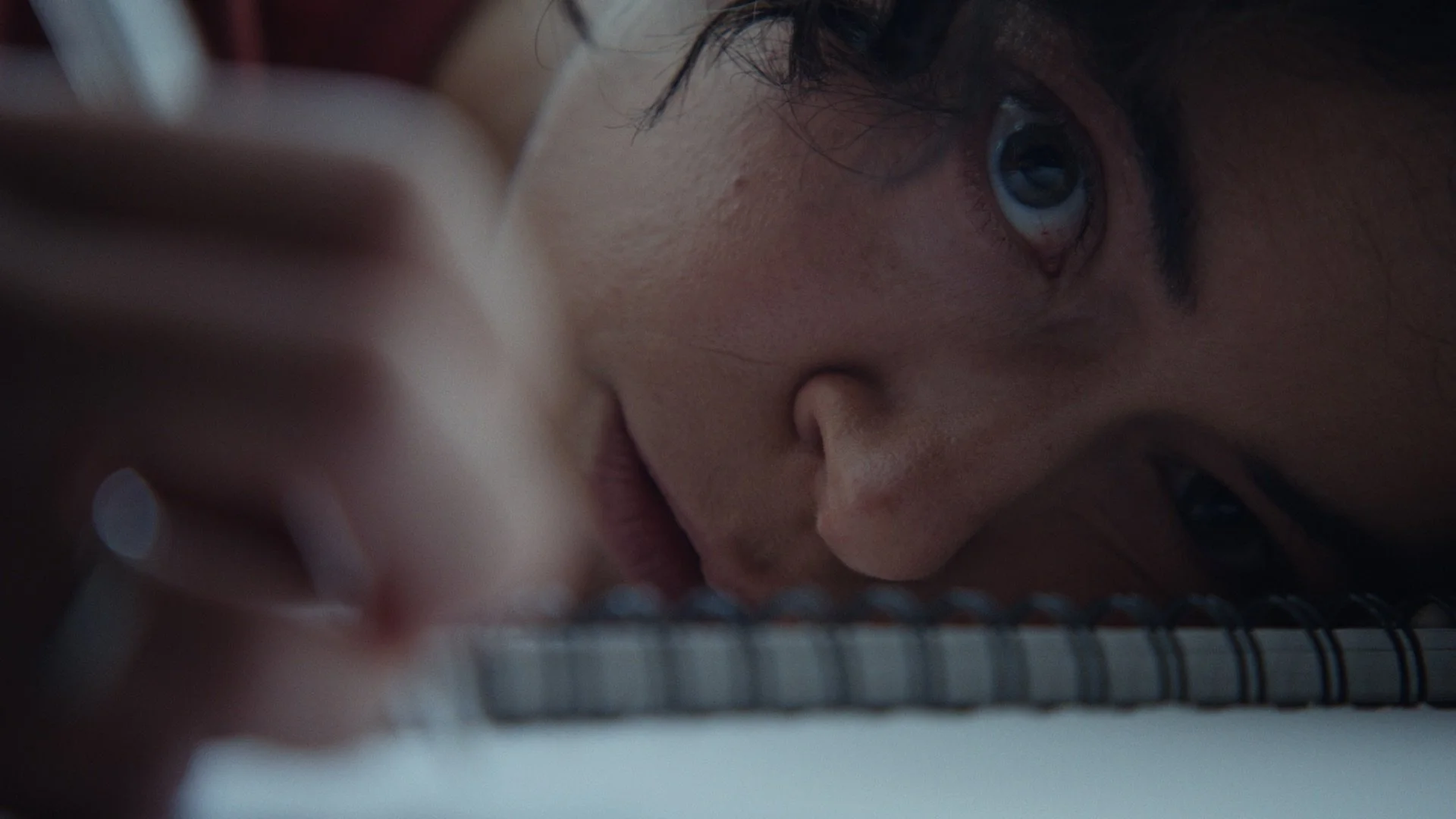
The supporting cast and production design do a lot of heavy lifting. Sutherland’s Malcolm reads as practiced charm with a thread of discomfort, and the few sparse peripheral performances populate the cabin’s world with plausible oddities. Perkins’ visual choices - the way the forest refracts light against the glass and the uncanny staging of domestic spaces - create an unnerving domesticity that lingers after the credits, and are no doubt making their way into DoP Jeremy Cox’s sizzle reel. When the film decides to unspool its more grotesque imagery late in the run time, it delivers jolts that validate the film’s patient setup; the problem is that those jolts sometimes arrive too little and too late for the middling stretches that precede them.
Another notable strength in Keeper’s visual language of terror is how it wears its J-horror influences on its sleeve, the scares often rely on disquieting composition, elongated negative space, and movements that are subtly off-kilter rather than violently explicit. Entities and visions feel less like typical Hollywood ghouls and more like lingering, distorted presences that creep at the edges of framing - think slow, head-tilted silhouettes, bodies that distend in all kinds of unnatural ways, and a characteristic use of long takes that let the dread accumulate. That borrowed visual grammar gives Keeper a chilly, sustained unease; it’s a domestic nightmare filmed through a lens that privileges insinuation over spectacle, and when it works, the result is memorably eerie.
Ultimately, Keeper is a mixed but interesting entry in Perkins’s growing catalogue. It doesn’t always cohere - although those who bemoaned Longlegs’ scattershot approach may find this outing more singularly refined - but it’s also a film with moments of real craft and a central performance that keeps you engaged even when the film’s architecture wobbles. If you respond to horror that favours mood, texture, and the slow erosion of safety, Keeper just might give you enough to chew on, while those who crave airtight plotting or constant, escalating set pieces may be better off knocking on another door. In either case, Perkins continues to refine a personal vocabulary of dread, and Keeper, for all its imperfections, confirms he’s still operating on a frequency worth tuning in to.
Follow Eli on Letterboxd, Twitter/X and Instagram.
Keeper is screening in select cinemas now. For tickets and more info, click here.